Moving into an Ilford High Rd walk-up? Redbridge tips

If you're moving into an Ilford High Rd walk-up, the stairs are not a small detail - they're basically the whole story. Anyone who has tried to carry a sofa up a narrow stairwell at 7:30 in the morning, with traffic humming outside and a neighbour waiting by the banister, knows that a "simple move" can turn complicated fast. The good news? With the right Redbridge tips, a bit of planning, and sensible loading choices, a walk-up move can be smooth enough. Not effortless, let's be honest, but manageable.
This guide covers the practical stuff that matters: access, parking, timing, lifting, packing, and the small local decisions that save you from sweaty chaos on the day. You'll also find a checklist, a comparison table, and a realistic example from an Ilford-style move so you can see how it all fits together.
Why Moving into an Ilford High Rd walk-up? Redbridge tips Matters
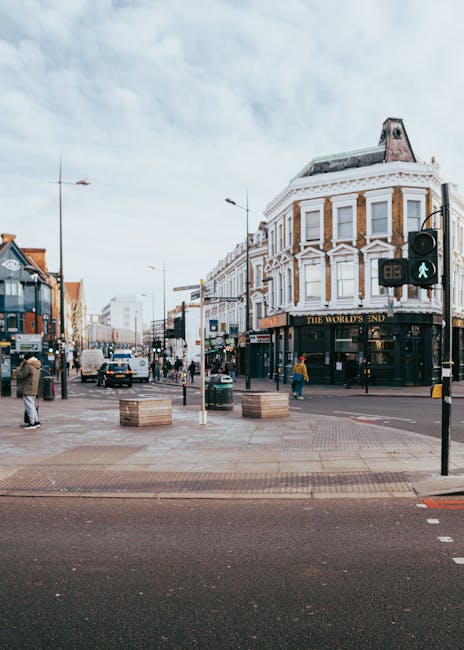
Walk-up flats around busy high streets come with a very specific set of problems. The stairwell may be tight, the landing may be awkward, and the front entrance can be busier than you expected. On Ilford High Road, that matters because the street itself can be active all day, and if you miss your parking window or block access for too long, the move starts getting tense. You can almost hear the impatience before it happens.
What makes this different from a standard house move? Mainly the vertical lift. In a house move, you can often wheel items in through a wider route or use a ground-floor doorway. In a walk-up, everything needs to be carried upstairs by hand, and that changes the equipment, the team size, the time estimate, and the risk of damage. One wrong turn with a wardrobe can nick the wall, scrape the staircase, or stall the whole chain of people behind it.
That is why local planning matters so much. Redbridge moves are rarely about brute force alone; they're about timing, route choice, and making sensible compromises. For example, you may decide to dismantle a bed frame rather than wrestle it intact. Or you may book a smaller vehicle that can park more easily on a side street rather than gamble on a larger van holding position on the high road. Small call, big difference.
If you want the broader moving process mapped out, our stress-free house move roadmap is a good companion piece, especially if you're still in the planning stage.
How Moving into an Ilford High Rd walk-up? Redbridge tips Works
A successful walk-up move usually follows a simple pattern: plan the access, reduce the load, protect the building, and keep the carry as short as possible. That sounds obvious, but in practice most problems happen because one of those four parts is ignored. You might have packed beautifully and still end up in trouble because the van can't stop nearby. Or the parking is fine, but the boxes are too heavy to carry safely.
The process begins before moving day. Ideally, you should visit the property, or at least ask precise questions about stairs, floor level, doorway width, lift availability if any, and whether there is a communal hallway that needs to stay clear. In older Redbridge properties, the details are often a bit quirky. A landing looks fine until you realise it turns sharply halfway up. A room looks roomy until the bed base reaches the first bend. Truth be told, these are the surprises that eat time.
Next comes the load plan. Items should be grouped by how hard they are to move, not just by room. The awkward items go first in the planning stage: sofas, mattresses, wardrobes, pianos, mirrors, and large white goods. If you need specialist support for heavier items, it helps to look at services and guidance such as furniture removals in Redbridge or, for more delicate instruments, piano removals in Redbridge.
Finally, the moving team should work from the van to the flat in an orderly rhythm. That means one person controlling the load at the bottom, one or two carrying, and someone clearing the way at the top if the stairwell allows it. It is not glamorous. It is, however, what keeps people safe and the move moving.
Key Benefits and Practical Advantages
The obvious benefit is less chaos. When the access route is planned, the move feels less like a scramble and more like a sequence. That alone can reduce stress in a pretty dramatic way. You also protect the building and your deposit, which matters if you're entering a rented flat or shared building where every wall mark seems to have a life of its own.
There's also a financial benefit, though not always in the way people first expect. A smarter plan can reduce the number of hours needed on site. If the van parks well, if boxes are labelled clearly, and if bulky items are dismantled in advance, the crew spends more time moving and less time problem-solving. That usually means a better-value move overall.
Another practical advantage is safety. Stairs and heavy items are a poor mix when people are rushed. With a walk-up, fatigue creeps in quickly. The first sofa is fine; the third one feels strangely heavier. By the time somebody says "we'll just carry it one-handed, it'll be alright," you know the day needs a reset. A calmer plan means fewer slips, fewer strains, and less chance of knocking into a handrail or landing edge.
For packing support, our guide to smart packing techniques for moving day can help you cut down the number of trips. Fewer trips up the stairs? Always a win.
Who This Is For and When It Makes Sense
This kind of preparation is for anyone moving into an upper-floor flat or maisonette off Ilford High Road where there is no lift, no easy loading bay, or only partial vehicle access. It is especially useful for first-time renters, students, couples moving into smaller spaces, and anyone downsizing from a house into a compact walk-up.
It also makes sense if you're moving on a tight schedule. Maybe you have a same-day handover. Maybe your current tenancy ends in the morning and your new keys arrive just after lunch. In situations like that, a vague plan is not enough. You need a route, a carry strategy, and a realistic idea of what can be moved safely by hand.
Some people benefit from professional help more than others. If you've got bulky furniture, limited friends available, or a building with awkward access, it may be wiser to book a team rather than improvise. Our man and van Redbridge and man with a van Redbridge options are useful to compare if you're deciding between a light-touch move and something more fully supported.
And if you are moving only part of a household, such as a single room, student setup, or just the larger items, a more tailored service can make sense. That's why many people look at student removals Redbridge or flat removals Redbridge rather than a one-size-fits-all job.
Step-by-Step Guidance
1. Confirm the access reality
Do not rely on "it should be fine." Ask about floor level, stair count, entry codes, intercoms, and where a van can legally pause. If there's a side road or a quieter loading point nearby, factor that in early.
2. Measure the awkward items
Measure sofas, mattress lengths, headboards, wardrobes, and appliance widths. Then compare those measurements with stair turns, door widths, and any narrow hallway sections. This is the bit people skip and then regret. It's boring for about five minutes, and then suddenly it is very interesting.
3. Decide what should be dismantled
Bed frames, table legs, some wardrobes, and shelving often move better in pieces. If the item is large and not precious to keep intact, dismantling can save time and reduce damage. Our bed and mattress moving tips are useful if your bedroom furniture is one of the bigger jobs.
4. Pack by stair logic, not just by room
Pack the items you'll want quickly last, and put the easiest, most compact boxes near the front of the move. Weight matters more than volume. A small box full of books can be nastier to carry than a large box of cushions. That always seems unfair, but there it is.
5. Protect the building before the first lift
Use floor runners, blankets, or cardboard where needed. Cover sharp edges on furniture. Make sure the stairwell is clear of doormats, prams, bins, and anything someone could trip over. In an old building, even a tiny obstacle becomes a nuisance.
6. Load the van in the right order
Heavy, stable items should go in first and be secured tightly. Fragile or awkward items should be placed where they cannot shift during travel. If you're using a hired vehicle, choosing the right size matters too. See removal van Redbridge if you want to think through vehicle suitability before the day.
7. Keep the stairwell moving
One of the best little tricks is to maintain a steady flow. Don't let everyone cluster on the landing. One job at a time, one route, one clear exit. It sounds basic, but it prevents the sort of bottleneck that makes people weirdly silent and stressed.
Expert Tips for Better Results
First, underpack rather than overpack. Most moving injuries happen because boxes are too heavy, not because they are too many. A medium box that can be held close to the body is usually much better than a heroic jumbo box that needs two people and a prayer.
Second, think about where the sweat happens. If the front door opens directly onto a busy pavement, have your boxes ready inside before the van arrives. If there's a narrow staircase, have a staging area downstairs so the next item is always ready to go. The less you wait around, the easier the day feels.
Third, treat fragile items like they're going to be carried through a world with elbows, corners, and sudden turns - because, frankly, they are. Wrap mirrors properly, pad lamp bases, and don't leave glassware loose in oversized boxes. If in doubt, a bit more padding is cheaper than replacing broken items later.
Fourth, use professional help where it makes sense. A service like removals Redbridge can be more suitable than trying to stitch together odd bits of help from friends. That's especially true if your move includes several flights of stairs, fragile furniture, or a tight timetable.
And here's a small one: book your move for a time of day when the building is calmer if you can. Mid-morning is often easier than the busiest part of the commute, though every street has its own rhythm. You'll notice the difference in how quickly a van can settle in and how much easier it is to carry boxes without weaving around everyone else.
Common Mistakes to Avoid
The biggest mistake is assuming the route from van to flat is "just stairs." Stairs are not just stairs when you're carrying a wardrobe. They're a series of angles, pauses, balancing acts, and tiny risks. Underestimate that and the day gets messy fast.
Another common error is poor box planning. Overfilled boxes make the move slower, not faster. They also tend to burst at the worst possible moment, usually at the top of a staircase. That is never funny at the time, although it does become one of those stories people retell later with a grim sort of pride.
People also forget parking and route planning. On a busy stretch like Ilford High Road, a van that cannot stop where expected creates a chain reaction: longer carry distance, more fatigue, and more time at the kerb. If you want to avoid hidden surprises in the quote stage, our piece on spotting hidden fees in Redbridge van quotes is worth reading before you confirm anything.
Finally, don't ignore old furniture that should simply be retired. If the sofa is too heavy, the mattress is sagging, or the cabinet is wobbling even before the move, it may be wiser to replace, recycle, or store it temporarily. If storage is the better answer, take a look at storage Redbridge rather than forcing an item into a move where it doesn't really belong.
Tools, Resources and Recommendations
You do not need a warehouse of gear to move into a walk-up, but a few practical tools make a serious difference. Furniture blankets help with scrapes. A trolley or sack truck can reduce the number of heavy carries. Good tape, proper labels, and thick gloves are small purchases that pay you back quickly.
For general prep, it helps to read through a proper moving sequence rather than relying on memory. Our stress-free move roadmap and decluttering guide are both useful if you're trying to slim down before moving day. If you know what is going, the carrying gets easier immediately.
For packaging supplies, the most practical starting point is packing and boxes Redbridge. It is also sensible to think in layers: boxes for general items, wrapping for breakables, and proper protection for furniture edges. If you are moving a fridge or freezer, read about storing a freezer without frequent use and storing your freezer the right way during downtimes so you don't mishandle a unit that needs more care than a standard box.
One more thing: if you're handling a lot of heavy lifting yourself, be realistic about your limits. A good read is lifting heavy loads by yourself, though the honest advice is to avoid solo heroics where stairs are involved. Not everything needs a motivational montage.
Law, Compliance, Standards, or Best Practice
For a move like this, the practical compliance points are mostly about safety, access, and building responsibility rather than complicated paperwork. If you are using a professional service, it is sensible to check that they follow proper insurance and safety procedures, use well-maintained vehicles, and handle items in line with normal industry expectations. You do not need to become an expert in transport rules, but you should expect a professional approach.
If you live in a managed building, pay attention to any access rules, booking slots, or restrictions on moving hours. Some blocks are strict about keeping fire exits clear, protecting communal areas, or avoiding noise early in the morning. Even when no formal rule is obvious, good practice is to minimise disruption and leave shared spaces clean.
Basic manual handling best practice also matters. Lift with control, keep loads close to the body, avoid twisting while carrying, and ask for help with anything awkward. That's standard advice for a reason. It sounds a bit dull until somebody twinges a back muscle on the second flight of stairs, and then suddenly it is the most interesting advice in the world.
If you want reassurance on how a provider handles these matters, our insurance and safety page and health and safety policy are sensible places to look. You can also read more about the company background via about us.
Options, Methods, or Comparison Table
There are usually three ways people tackle a walk-up move: DIY with friends, man-and-van support, or a fuller removal service. Each has its place. The best option depends on the number of items, the stair difficulty, and how much risk you're willing to take on yourself.
| Method | Best for | Advantages | Trade-offs |
|---|---|---|---|
| DIY with friends | Very small moves, light boxes, short stair runs | Lower upfront cost, flexible timing | Higher fatigue, more risk of damage, less reliable if people cancel |
| Man and van | Single-room or compact flat moves, partial support | Good balance of help and cost, practical for Redbridge streets | You still need to pack and prepare well |
| Full removal service | Larger homes, heavy furniture, awkward access, time-sensitive moves | More organised, less lifting for you, better for bulky items | Usually the highest cost of the three |
If you are unsure which route fits your situation, comparing man with a van with house removals Redbridge is a sensible way to start. If you're moving from a compact flat, flat removals Redbridge may be the most natural middle ground.
Case Study or Real-World Example
Picture a typical Saturday move into a second-floor flat just off Ilford High Road. The flat itself is clean and bright, the kind of place that looks easy until you stand at the bottom of the stairs with a sofa and realise the stair turn is tighter than expected. The move starts at 9:00 a.m., which is already a bit lively on the street. A van is able to pause briefly, but not for long.
The movers split the job. Boxes marked "kitchen" go first because they are compact and easy to stack. The bed frame has already been dismantled, which saves a lot of head-scratching later. The wardrobe is left for last because it is bulky and awkward; in this case, it would have been a false economy to carry it assembled.
Halfway through, someone realises the mattress is wider than the hallway seems to suggest. It still fits, but only by turning it carefully on edge and taking the landing in slow motion. That is the moment where experience pays off. There's no drama, just method. A small pause, a better grip, and the item clears. A minute saved here and there adds up.
By the end, the move is not "easy," because walk-up moves rarely are. But it is controlled. No broken glasses, no scraped walls, no argument with the stairwell. That is the standard you want.
Practical Checklist
- Confirm the floor level, stair count, and any access restrictions
- Check where a van can legally and safely stop
- Measure large furniture, appliances, and doorways
- Dismantle oversized items where practical
- Use strong boxes and avoid overpacking them
- Label boxes clearly by room and priority
- Protect floors, walls, and corners before carrying begins
- Keep the stair route free from clutter
- Set aside essentials for immediate access
- Choose the right moving support for the volume and difficulty
- Allow extra time for stairs, parking, and carrying distance
- Have water, gloves, tape, and blankets ready on the day
If your home contains items that need a bit more care, such as large seating or a freezer, you may also find sustainable sofa storage advice and freezer storage guidance useful before deciding what to move now and what to keep in reserve.
Get a free quote today and see how much you can save.
Conclusion
Moving into an Ilford High Rd walk-up is one of those jobs that rewards preparation more than optimism. If you get the access right, keep the boxes sensible, and match the moving method to the building, the whole day becomes less stressful and more predictable. And in a busy part of Redbridge, predictable is lovely. Really lovely.
Don't try to win the move by sheer effort. Win it by planning. The difference is quieter, safer, and usually cheaper too. That's the kind of win people notice after the last box is carried in and the stairwell finally goes quiet again.
Frequently Asked Questions
What is a walk-up flat move?
A walk-up move means you are moving into a property without a lift, so furniture and boxes have to be carried upstairs by hand. In a Redbridge setting, that usually means planning for stairs, parking, and a more careful loading strategy than a normal ground-floor move.
How do I prepare for moving into a flat on Ilford High Road?
Start by checking access, measuring the large items, and deciding what should be dismantled. Then choose a moving method that matches the space, such as a man and van or a fuller removal service. Good packing and a sensible schedule make a big difference.
Is it better to move with friends or hire professionals?
Friends can help with smaller, lighter moves, but walk-up stairs change the risk profile. If you have heavy furniture, narrow landings, or a tight time window, professional help is usually the safer and calmer option.
What size van do I need for a walk-up move?
That depends on the number of items and whether anything is being dismantled. A slightly smaller van can sometimes be easier to park on busy streets, while a larger vehicle may reduce trips if access is straightforward. The right size is the one that fits the route, not just the load.
Should I dismantle furniture before moving?
Yes, if it helps the item pass through stair turns, doorways, or narrow halls. Beds, some wardrobes, and table legs are common examples. Dismantling can save time and reduce the chance of wall damage, which is always worth it in a walk-up.
How can I protect walls and stairs during the move?
Use blankets, runners, or cardboard where needed, and keep the route clear. Protect corners and edges before you start lifting. It sounds simple, but it saves a lot of aggravation, especially in older buildings with tighter stairwells.
What should I pack first for a flat move?
Pack non-essential items first and keep everyday essentials separate. Heavy books should be split into smaller boxes. Fragile items need more padding than you think, and the last-minute "just throw it in" box should be avoided. That box always bites back.
Are there parking issues on Ilford High Road?
Parking can be tricky on busy roads, so it is worth planning in advance and checking where a van can stop safely. The less time the van spends circling, the less tiring the move becomes. If access looks awkward, a local side road may be the smarter option.
How do I avoid hidden costs when booking a move?
Ask what is included in the quote: stairs, waiting time, disassembly, access issues, and any extra carrying distance. A clear quote should explain what happens if the move is more complex than expected. The more precise the questions, the fewer surprises later.
Can I move a sofa up a narrow stairwell?
Sometimes, yes - but it depends on the dimensions, turning space, and the shape of the stairwell. In many cases, removing feet or cushions, or even choosing professional support, makes the job much safer. If the sofa is oversized, consider whether it really belongs in that flat.
What if I only need to move a few items into my walk-up?
Then a lighter service may be enough. A smaller man and van arrangement can be ideal for a short list of items, especially if the flat is otherwise already set up. The key is not to overbook a big solution for a small job.
Where can I get help with Redbridge removals?
You can look at local moving services, compare options, and decide whether you need packing support, furniture help, or a full move. If you want to speak to a team directly, start with the company's contact page and ask about your access, timings, and the kind of building you are moving into. Sometimes a five-minute conversation saves an hour on the day.