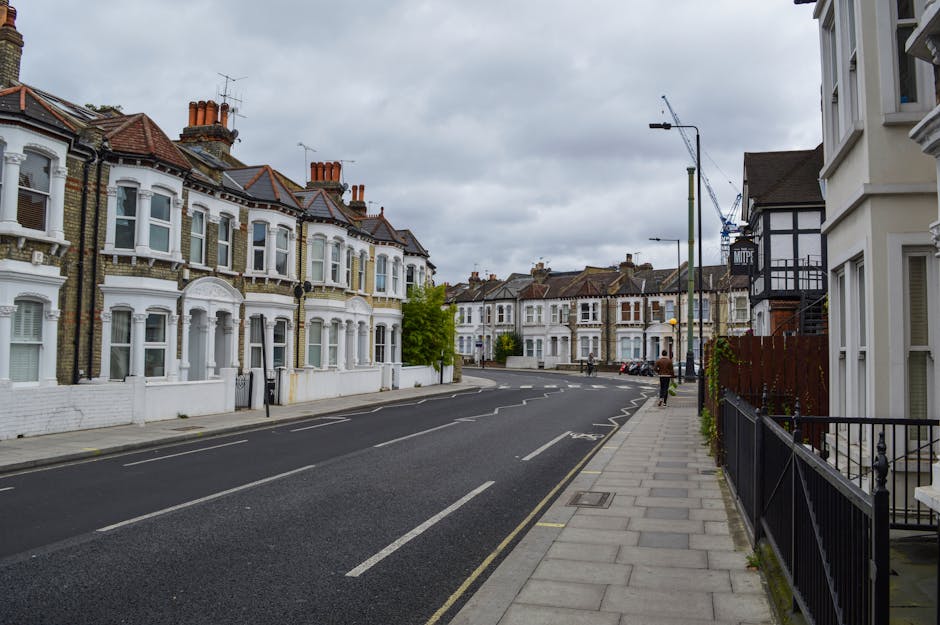
Cranbrook Road Removals Insider Tips to Avoid Delays
If you are planning a move on or around Cranbrook Road, the smallest details can make the biggest difference. A van that arrives at the wrong time, a hallway blocked by last-minute packing, or a forgotten parking arrangement can turn an ordinary removal into a long, frustrating day. That is exactly why Cranbrook Road removals insider tips to avoid delays matter: they help you spot the bottlenecks before they turn into real problems.
This guide is for anyone who wants a smoother move with fewer surprises. We will walk through what causes delays, how the moving process usually works, the practical steps that save time, and the mistakes people keep making when they are in a rush. You will also find a checklist, a comparison table, and a realistic example so you can plan with confidence rather than guesswork. Let's make the day feel manageable. Honestly, that alone is worth a lot.
Why Cranbrook Road removals insider tips to avoid delays Matters
Cranbrook Road sits in a busy part of Redbridge, and busy roads have their own personality. Traffic builds quickly, side streets can be awkward, and loading space is rarely as generous as people hope. If you are moving house, clearing a flat, or handling a small office relocation, delays do not just waste time. They can increase stress, make parking harder, and push the whole schedule off balance.
In removals, time is not just time. It is access, coordination, and momentum. A delay of fifteen minutes can be the difference between getting a clean loading bay and having to wait for a space to open up. It can also mean the crew is standing around while you search for keys, or you are still packing the kitchen when the van arrives. To be fair, most delays are boring little things rather than dramatic disasters. But they stack up fast.
The good news is that many moving delays are predictable. If you know where the pressure points are, you can plan around them. That is the real value of local removal advice. It is not about fancy tricks. It is about practical timing, better preparation, and knowing which jobs must be done before moving day begins.
How Cranbrook Road removals insider tips to avoid delays Works
A smooth move usually follows a simple chain: survey or estimate, booking, packing, access planning, arrival, loading, transport, unloading, and final checks. Delays happen when one link slows the others down. Around Cranbrook Road, the most common blockers are access-related: parking, lift availability, stair carry times, narrow entrances, and timing around local traffic patterns.
Good removal planning starts with the property rather than the van. Where will the vehicle stop? How far is the front door from the loading point? Is there room to turn? Are there timing restrictions for the building or street? These questions sound basic, but they are the difference between a tidy move and a frustrating one. If you have ever watched a crew carry a wardrobe twice the expected distance because the only available space was round the corner, you already know why.
The process becomes easier when you break it into preparation windows. First, confirm dates and access. Then pack systematically. Next, label and separate high-priority items. Finally, make sure the moving team has the details they need before they arrive. If you are arranging a more tailored service, you may want to look at removals, man and van, or house removals depending on the size of the job.
For many local moves, the difference between a quick load and a slow one is not the vehicle itself. It is whether the route and access are planned with the same care as the packing. That part gets overlooked all the time.
Key Benefits and Practical Advantages
Using insider tips to avoid delays is not just about saving minutes. It changes the whole tone of the move. When the schedule holds, everyone works better. Boxes are easier to place, fragile items are handled with less pressure, and you are less likely to make rushed decisions at the door.
- Lower stress: You are not constantly chasing the clock or wondering what was forgotten.
- Better protection for belongings: Calm loading usually means fewer dropped items and less improvising.
- More accurate costs: Fewer delays can reduce the risk of extra labour time or wasted vehicle time.
- Improved access control: You can plan around road layout, loading areas, and building entry points.
- Smoother coordination: Everyone knows who is doing what and when.
There is also a hidden benefit: a well-planned move often feels smaller than it looked on paper. A three-bedroom house can seem overwhelming at 7:30 in the morning, especially when you are staring at unopened drawers and half-packed kitchen cupboards. But once the process is organised, it becomes a sequence of manageable tasks, not one huge problem.
For business owners, the advantages are even clearer. A delayed office move can affect staff, customers, phones, and equipment. If you need a more structured approach, office removals or commercial moves are worth considering because commercial moves usually need tighter timing and better changeover planning.
Who This Is For and When It Makes Sense
This advice is useful for a wide range of people, not just anyone moving from one house to another. In practice, it helps:
- tenants moving out of flats with tight access
- homeowners moving to or from Cranbrook Road
- landlords coordinating end-of-tenancy clearances
- small businesses relocating equipment or stock
- families with children who need the day to stay predictable
- anyone booking a van service with limited loading time
It also makes sense if you are moving in a narrow time window. Maybe you need to hand over keys by lunchtime. Maybe your new property is not available until later in the afternoon. Or maybe you are sharing the day with cleaners, decorators, or a landlord inspection. Those situations leave very little room for drift.
Truth be told, the people who benefit most from insider advice are often the ones who think they do not need it. If your move looks straightforward, that is usually when small delays become annoying. A few missing details can turn a simple job into a slow one. If you want a more hands-on packing option, packing and unpacking services can remove some of the early-morning chaos.
Step-by-Step Guidance
Here is a practical way to plan a Cranbrook Road move so delays stay under control.
- Confirm the moving date early. Check that your sale, tenancy end, or office handover is realistic before you book the vehicle.
- Walk the property. Look at doors, stairways, lift access, and anything that could slow the load. A tape measure helps more than people expect.
- Plan parking or stopping space. The closer the vehicle can get to the entrance, the faster the move usually goes.
- Sort and label rooms in advance. Clear labels save time on both loading and unloading. Even simple room names help.
- Pack a priority box. Put kettle, toiletries, chargers, basic tools, documents, and bedding in one easy-to-reach box.
- Disassemble larger items the day before. Beds, tables, and shelving often take longer than expected if you leave them until the morning of the move.
- Reserve a clear exit path. Keep corridors, hallways, and doorways free of loose bags, shoes, and coats.
- Give the mover the full picture. Share access notes, parking difficulties, and any awkward items in advance.
- Keep keys, paperwork, and phone charged. This sounds obvious. It still gets forgotten more often than you would think.
- Do a last sweep before departure. Check cupboards, lofts, bathrooms, and behind doors. Tiny forgotten items can cost time later.
If you are booking a van-based solution, it may help to review man with van or moving van options so you can match the vehicle size and service style to the move itself. Bigger is not always better; sometimes it is just more awkward to park.
A useful rule of thumb: anything that can be packed the night before probably should be. Moving day is the wrong time to discover you still own seventeen mugs and a bread maker you forgot about.
Expert Tips for Better Results
There are a few small habits that consistently reduce delay risk. They are not glamorous, but they work.
1. Build in a buffer, not a fantasy schedule
People often plan the move as if nothing can go wrong. That is optimistic, and a bit reckless. Add buffer time for parking, traffic, lift delays, and the occasional missing key. It will make the whole day calmer.
2. Pack by access priority, not just by room
Items you will need first should be loaded last and unloaded first. That means the essentials box, kettle, cleaning supplies, and bedding need a clear place in the van, not buried behind garden furniture.
3. Photograph awkward setups
A quick photo of a narrow entrance, steep steps, or a particularly tight driveway can be useful when you speak to a mover. It helps them judge access properly rather than guess.
4. Keep one person in charge
Too many helpers can slow things down. One person should coordinate keys, decisions, and communication. Otherwise everyone is "just checking something" and somehow nobody is.
5. Use a simple room map
A written list of which items go where at the new address can save a surprising amount of time. It avoids that awkward, slow shuffle where boxes are left in the wrong room and then moved again later.
If sustainability matters to you as well, planning a move is a good time to sort donations, recycling, and unwanted furniture. The site's recycling and sustainability information can help you think through responsible disposal before the van arrives.
Expert summary: the fastest removals are usually not the ones with the biggest team or the largest van. They are the ones where access, packing order, and communication were handled early. That is the real insider trick.
Common Mistakes to Avoid
Most moving delays come from predictable mistakes. The trouble is, they feel harmless at the time.
- Booking before checking access: If the van cannot stop nearby, everything slows down.
- Leaving packing to the final evening: Exhaustion leads to weak labelling and missing items.
- Not measuring large furniture: Wardrobes and sofas are often the first things to create a bottleneck.
- Ignoring building rules: Some flats and managed properties have set move times or lift restrictions.
- Forgetting to clear parking space: If you expect the van to "just find somewhere," you may be waiting a while.
- Underestimating traffic: A short route can still take longer during busy periods.
- Not separating valuables: Keys, documents, medication, and chargers should travel with you.
One particularly common issue is overfilling every box. Heavy boxes take longer to carry and slow down loading because people become more cautious. They also increase the risk of breaks. A smarter approach is usually a mix of medium-weight boxes and clearly labelled fragile items.
Another easy mistake? Assuming the first plan will survive unchanged. It rarely does. A good move is flexible without becoming messy. That distinction matters.
Tools, Resources and Recommendations
You do not need expensive gear to avoid delays, but a few simple tools go a long way.
- Marker pens: Fast, bold labelling beats fancy labels that nobody can read.
- Packaging tape: Buy more than you think you need. Seriously.
- Furniture blankets or wraps: Helpful for protecting edges and painted surfaces.
- Basic toolkit: Screwdrivers, Allen keys, and a small hammer can save a lot of frustration.
- Phone charger or power bank: Dead battery, dead coordination.
- Inventory list: A simple room-by-room checklist is often enough.
For bigger household jobs, you may find home moves or house movers more relevant than a small van service. For local, lighter loads, man with a van can be a practical fit. If you are moving furniture only, a dedicated option like furniture pick-up may be enough.
Also, do not overlook service quality. A well-run removal company will usually ask better access questions before moving day. That is a good sign. It means they are thinking ahead rather than hoping for the best.
Law, Compliance, Standards and Best Practice
For removals on Cranbrook Road, compliance is mostly about practical safety and responsible service rather than complicated paperwork. Even so, the basics matter. Vehicles should be suitable for the load, items should be handled safely, and the move should respect building access rules and local parking arrangements.
In the UK, good practice usually means clear communication about what is being moved, honest disclosure of heavy or fragile items, and sensible handling of lifting and carrying. If your building has restrictions, you should follow them. If the road has parking controls, do not assume they can be ignored because the move is "only for an hour." It still counts.
It is also sensible to check insurance and safety arrangements before booking. Reputable movers should be able to explain how they manage damage risk, item handling, and liability expectations. If you want more detail on those basics, the site's insurance and safety page and health and safety policy are useful references.
For booking terms, payment expectations, and what happens if plans change, you should always review the operator's written conditions. The pages on terms and conditions and payment and security help set sensible expectations. That can prevent one of the most annoying delays of all: avoidable misunderstandings.
If you are comparing providers, it is usually wiser to choose clear processes over vague promises. A mover who explains the plan plainly is often the one most likely to stick to it.
Options, Methods and Comparison Table
Different move types suit different schedules. Here is a simple comparison to help you choose the most delay-resistant option.
| Option | Best for | Delay risk | What to watch |
|---|---|---|---|
| Man and van | Small flats, light household moves, short local jobs | Lower if access is easy | Can be slowed by multiple trips or awkward parking |
| Moving van | Medium moves with more boxes and furniture | Moderate | Needs better planning for loading order and route timing |
| House removals | Full home moves with larger furniture volumes | Moderate to lower when well planned | Access, team size, and disassembly can affect timing |
| Office removals | Business relocations, equipment, files, desks | Higher if coordination is weak | Key handover times and IT equipment need careful sequencing |
The right choice is not only about capacity. It is about how much control you want over the day. Smaller jobs can be quick, but only if the access is easy. Larger jobs benefit from more structure, which is where a fuller removal services approach often makes sense.
Case Study or Real-World Example
Picture a typical Saturday move on Cranbrook Road. A family is leaving a two-bedroom flat and heading a few streets away. The removal team arrives on time, but the landing is full of loose bags, the sofa is still in two pieces, and nobody has checked whether the van can stop directly outside the building. The first twenty minutes disappear in a blur of sorting, rethinking, and shifting things out of the way. Nothing is broken. But everything is slower than it should be.
Now compare that with a better-prepared version. The hallway is clear, the sofa has already been split, the essentials box is ready, and a parking spot has been identified in advance. The crew can load immediately. The move still takes effort, of course it does, but the pace stays steady and the stress stays low.
That is the difference insider tips make. Not magic. Just fewer interruptions.
A small office move works the same way. If IT equipment is boxed and labelled, desks are dismantled beforehand, and key staff know who is responsible for which items, the process becomes cleaner. If you need a service designed for that sort of setup, office relocation services can provide a more organised route than a last-minute scramble.
Practical Checklist
Use this checklist the day before and on the morning of the move.
- Confirm move time, address, and contact details
- Check access, stairs, lift use, and parking space
- Pack an essentials box for the first night
- Label boxes by room and priority
- Disassemble large items where possible
- Set aside valuables, documents, keys, and medication
- Keep pathways clear inside the property
- Charge phones and keep chargers accessible
- Protect fragile items and mirrors properly
- Walk through every room before departure
- Leave any building passes, spare keys, or handover items ready
- Keep a note of the new address and any delivery instructions
If you are still arranging the job itself, it can help to compare options such as removals near me, removal services, and removals van depending on how much you need moved and how quickly you need it done.
Quick takeaway: the more you prepare the access, the packing order, and the communication early, the less likely you are to end up watching the clock all day.
Conclusion
A move on Cranbrook Road does not need to feel chaotic. The smartest Cranbrook Road removals insider tips to avoid delays are usually the simplest ones: plan access properly, pack in the right order, confirm timing early, and keep the essentials close. None of that is flashy, but it works.
In real life, the best removals are rarely the ones that look effortless from the outside. They are the ones where someone quietly did the preparation work before the van ever turned up. If you take care of the detail now, you give yourself a much better shot at a calm, clean moving day. And after all the boxes, tape, and lifting, a calm day feels pretty excellent.
Get a free quote today and see how much you can save.
Frequently Asked Questions
How can I avoid delays during a Cranbrook Road move?
Start with access planning. Confirm parking, check the route from the property to the vehicle, and have all boxes packed and labelled before the movers arrive. The fewer loose ends on the day, the faster things usually move.
What is the biggest cause of moving delays in local removals?
Access issues are usually the main problem. Parking, stairs, narrow hallways, lifts, and last-minute packing all slow things down. Traffic can matter too, but poor preparation is often the bigger issue.
Should I book a man and van or a full removals service?
It depends on the size and complexity of the move. A smaller, straightforward job may suit a man and van arrangement, while larger households or more complex moves often benefit from fuller house removals support.
How far in advance should I prepare for a move on Cranbrook Road?
As early as you reasonably can. Even for a small move, a few days of preparation makes a big difference. For larger moves, a longer lead time helps with sorting, packing, and access planning.
Do I need to clear parking space before removal day?
Yes, if possible. A clear stopping point can save a lot of time. If parking is tight or controlled, check the arrangement in advance so the vehicle is not left hunting for space while everyone waits.
What should go in my essentials box?
Pack chargers, kettle items, toiletries, toilet paper, medication, snacks, important documents, basic tools, and a change of clothes. Keep it with you rather than burying it in the van.
Can packing services reduce delays?
Yes, especially if you are short on time or have a lot of fragile items. Using packing and unpacking services can help the day run more smoothly because the packing is finished properly before loading begins.
What should I tell the removals team before the job starts?
Share access details, parking restrictions, heavy items, fragile items, and any building rules. If there is something awkward, say so early. It is much better than leaving the crew to discover it at the door.
Are office moves more likely to be delayed than house moves?
They can be, mainly because offices often involve equipment, staff coordination, and tighter timing. Good planning matters even more there, which is why structured office removals are often the safer choice.
How do I know if a mover is trustworthy?
Look for clear communication, sensible questions about access, and straightforward explanations of service, payment, and safety. A reliable mover is usually organised before the job even begins.
What if my move has to happen quickly?
Focus on priority items first and remove anything non-essential from the process. A quick move is still possible, but it needs sharper decisions and fewer boxes to sort through on the day.
Is it worth comparing different removal options?
Absolutely. Comparing a removal company, a van-based option, and local movers helps you match the service to the actual move rather than overpaying or under-preparing.
Whatever your move looks like, the best result usually comes from calm preparation rather than last-minute heroics. A little structure goes a long way, and that is often the part people feel most relieved about afterwards.