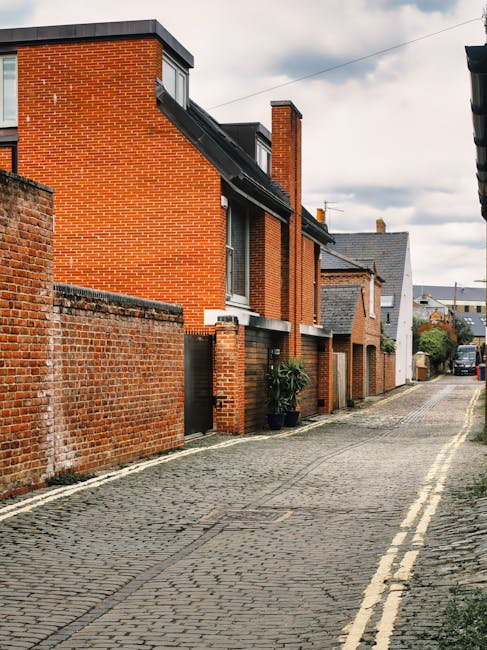
Aldborough Hatch removals guide for narrow streets and parking access
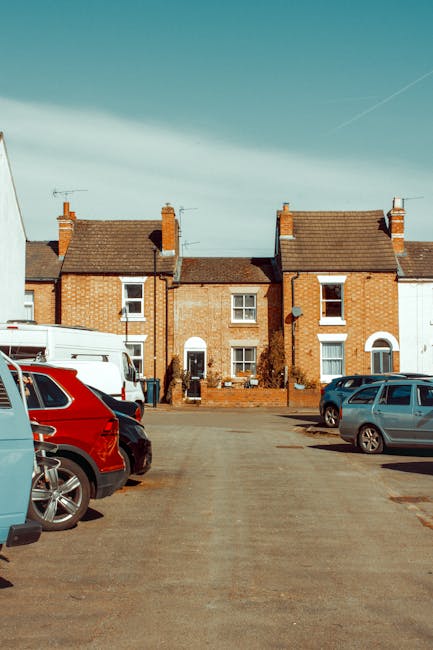
If you are planning a move in Aldborough Hatch, the street itself can matter almost as much as the house. Narrow roads, awkward bends, limited kerb space, and the eternal question of where the van can actually stop all shape the day. This Aldborough Hatch removals guide for narrow streets and parking access is here to make that part feel less stressful and a lot more manageable. Because truth be told, a smooth move in a tight London street is mostly about preparation, timing, and the right vehicle size.
Whether you are moving from a terraced house off a narrow side road, a flat with no driveway, or a property where everyone seems to own a car except the people moving, the same basics apply. You need a plan for access, a realistic loading point, and a removals team that understands how to work safely without blocking the whole street. That is where the little details save the day.
In this guide, we will walk through what matters, how the process works, practical steps you can take, and the common mistakes that cause delays. We will also cover parking access, permits, timing, equipment, and what to ask before booking. Simple, useful, no nonsense.
Why Aldborough Hatch removals guide for narrow streets and parking access Matters
Aldborough Hatch has the kind of streets that can make a simple move feel oddly technical. Not impossible, just technical. The road may be too narrow for two vehicles to pass comfortably, parked cars may cut down turning space, and a van may need to stop a little way from the front door rather than right outside it. That changes everything, from loading time to how many trips the crew needs to make.
Why does this matter so much? Because the biggest moving-day problems usually start before anyone has lifted a box. If the van cannot stop nearby, you get longer carrying distances, slower loading, and more chance of damage from rushing. If access is tight and nobody has thought about timing, you can end up with frustrated neighbours, avoidable parking issues, and a longer bill. Not ideal.
For local moves, the challenge is often not the distance between homes. It is the last fifty metres. A correct access plan lets the move flow in one direction instead of stopping and starting. You will notice the difference straight away: fewer pauses, less shouting across the pavement, and a calmer start to the day. Lovely, really.
There is also a wider practical reason. Narrow-street moves need to respect pedestrians, cyclists, residents, and other road users. In areas like Aldborough Hatch, the move works best when it is quiet, tidy, and controlled. That means good communication, sensible vehicle choice, and a realistic parking plan. Small things, but they add up fast.
How Aldborough Hatch removals guide for narrow streets and parking access Works
A good removal in a tight street starts with assessment. The mover looks at the road width, turning space, nearby parking restrictions, whether the van can park legally, and how far the carrying distance will be from property to vehicle. Sometimes a standard van is fine. Sometimes a smaller van or multiple loads are the smarter choice. There is no single answer, which is annoying, but also why planning matters.
Next comes access strategy. This is the bit people often underestimate. If the street is too narrow for a large removal truck, a smaller man with van option may be more practical, especially if you are moving from a flat or a one-bedroom home. If the job is larger but access is awkward, a crew may use a bigger vehicle parked a short distance away and shuttle items by trolley or carry. It is all about balancing legal parking, safe movement, and efficient loading.
Then there is the issue of timing. In residential areas, the quietest window is often earlier in the day, before parking becomes saturated and school-run traffic kicks in. On some streets, even ten minutes can matter. One van arriving before another parked car leaves can change the whole plan. That is why local knowledge is so valuable. It sounds minor, but it really isn't.
Finally, the team should build the loading order around the access reality. Large, awkward, or fragile items should be positioned so they come out first or last depending on where the van is parked. If there are stairs, corners, or a narrow hall, the route from property to van should be clear and measured. This is where a well-run removals team earns its keep.
Key Benefits and Practical Advantages
The first benefit is obvious: better access usually means a smoother move. But the practical gains go beyond that. When narrow-street logistics are planned properly, you reduce waiting, protect your furniture, and avoid unnecessary stress on the day. That can mean fewer handling risks for mirrors, wardrobes, televisions, and boxed items that do not appreciate sudden turns. Not even a little.
Here are some of the real advantages:
- Less loading delay: the crew knows where to stop and how to work the route.
- Lower damage risk: fewer rushed lifts and fewer awkward scrapes on walls or door frames.
- Cleaner communication: you know who is parking where and when.
- Better use of vehicle size: the move matches the street rather than forcing a vehicle that does not fit well.
- Less disruption for neighbours: shorter blockages and more considerate handling of shared space.
There is also a financial side. When access is poorly planned, jobs can take longer than expected. That extra time may not sound dramatic, but on moving day, half an hour here and there can add up. A well-organised access plan is one of the simplest ways to keep a move efficient without cutting corners.
To be fair, there is another benefit people only appreciate after the move: peace of mind. Knowing the van can park legally and the crew has a way to load safely takes a lot of pressure off. You can focus on keys, paperwork, and the million little things that seem to appear whenever you move house.
Who This Is For and When It Makes Sense
This approach makes sense for anyone moving from a property with limited kerbside access. That includes terraced houses, maisonettes, upstairs flats, homes with shared drives, and properties on roads where parking is always a bit of a battle. If you have ever thought, "The van definitely isn't getting outside my front door," then yes, this is for you.
It is especially useful if:
- the street is too narrow for a large lorry to park comfortably
- there are parked cars on both sides of the road
- your property has no private driveway
- you are moving bulky furniture or a lot of boxes
- you need to avoid blocking access for neighbours or businesses
- you have time-sensitive loading, such as a completion deadline or key handover
This is also relevant if you are comparing removal services and deciding whether a full-size truck is necessary. Sometimes a simpler setup with a man and van service is enough. Other times, a larger crew, more wrapping, and a more structured loading plan make sense. The point is not to overcomplicate things. It is to choose the method that actually suits the street.
If you are moving a flat on a narrow road, or a family home near busy parking zones, the access problem can feel bigger than the move itself. That is normal. The best time to fix it is before the van arrives, not while someone is standing in the street scratching their head.
Step-by-Step Guidance
A simple step-by-step process usually works best. You do not need a complicated spreadsheet, though if you like one, no judgement. Just be practical and specific.
- Walk the route from front door to road. Measure the path mentally and notice any bottlenecks: low fences, tight corners, steps, uneven paving, or shared entrances.
- Check where a van can legally stop. Look for single yellow lines, restricted bays, school zigzags, dropped kerbs, and places where turning may be awkward.
- Estimate carrying distance. If the vehicle cannot park right outside, work out how far items may need to travel. That affects time and crew size.
- Think about the right vehicle. A smaller van is often better in narrow streets than a larger truck that causes delays. Bigger is not always better. A rare exception in removals? Quite often, yes.
- Prepare a clear loading zone. On moving day, keep the hallway, front path, and door area as open as possible so people are not tripping over bags and coat stands.
- Communicate parking details before the move. Tell the removals company about width, access issues, neighbours' drives, and any likely pinch points.
- Pack for quicker handling. Heavy items should be manageable, boxes should be sealed properly, and fragile items should be labelled.
- Have a backup plan. If someone is parked awkwardly in front of your home, know where the crew can stop instead. A fallback point can save the day.
One small but useful tip: take a photo of the street at the busiest time of day before moving. It helps you see the reality, not the hopeful version. People often remember the road as wider than it is. Funny how that happens.
If the move involves fragile furniture or awkward items, consider extra help with packing and unpacking services. That can reduce the chance of damage during the longer carry from van to door.
Expert Tips for Better Results
Here is the part that tends to separate a smooth move from a frustrating one. Small decisions made early. That is usually the story.
- Book with access in mind, not just item count. Two homes with the same number of boxes can need very different plans if one has a narrow road and the other has a drive.
- Use the smallest vehicle that can reasonably do the job. In tight areas, manoeuvrability often matters more than capacity.
- Plan for neighbours' cars. Streets in Aldborough Hatch can fill up quickly, especially later in the day. Early starts help.
- Keep priority items separate. Keys, documents, chargers, kettle, snacks. The usual lifesavers. You know the ones.
- Protect door frames and corners. Narrow hallways and tight turns increase the chance of scuffs.
- Allow a little extra time. Not a dramatic amount, just enough to absorb the inevitable "where can we park?" moment.
Another practical observation: if the move is on a summer morning, the road may already be busier by 8am than people expect. Winter has the opposite issue; darker, colder mornings can slow everyone down a touch. Either way, timing matters. A lot.
And if you are moving on a street that regularly has loading pressure, it can help to speak with your removal provider about a moving van sized to suit the road rather than the wish list. Wish list moves are how people end up swearing at a kerb. We have all seen it.
Common Mistakes to Avoid
Most access problems are predictable. That is the annoying part. They are also avoidable, which is the good news. A few mistakes come up again and again in narrow-street moves.
- Assuming parking will be fine on the day. It often isn't. Cars come and go, and the best spot may be gone before the crew arrives.
- Booking the wrong size vehicle. Too big and you risk access problems. Too small and you may waste time on multiple trips.
- Ignoring carrying distance. A short walk is one thing. A 40-metre carry on a hot day with a sofa is another.
- Not telling the removal company about restrictions. That includes time limits, resident-only zones, and any street features that make turning difficult.
- Leaving too much to pack at the last minute. Last-minute packing nearly always creates clutter around the exit.
- Forgetting about staircase or hallway width. It is not only the road that matters.
One classic mistake is assuming a big vehicle means a quicker move. Sometimes it does. Sometimes it absolutely does not. If the van cannot position properly, every extra metre becomes time lost, and the big vehicle turns into a very expensive obstacle. Slightly dramatic, yes, but not wrong.
Another common slip is failing to think about the return trip from the new property. Your old street may be easy enough, but the destination could be just as tight. Good movers think about both ends, not just the departure point.
Tools, Resources and Recommendations
You do not need a van full of specialist kit for every move, but the right tools make a big difference in narrow streets. A few practical items are especially useful:
- Furniture blankets and straps: for protecting items during carry and loading.
- Dollies and sack trucks: handy for heavier boxes or appliances where the path allows.
- Corner protectors: useful in narrow halls and stairwells.
- Clear labelling materials: so boxes are easy to place in the right room quickly.
- Phone photos of the street and access points: one of the simplest ways to brief a mover properly.
For broader moving preparation, a strong organisational approach helps. If you are still sorting belongings before the move, the guide on how to organise and declutter for a hassle-free move is a sensible companion piece. Less stuff usually means less pressure on access, loading time, and packing space.
If your move involves a larger home or an office setup, the logistics may become more layered. In that case, looking at house moves or office removals can help you match the service to the scale of the job. Different properties need different handling. Obvious, maybe, but easy to overlook when you are busy.
Law, Compliance, Standards, or Best Practice
For street access and parking, the main thing is to follow the local parking rules, loading restrictions, and any permit requirements that may apply to the road. In London, this matters because restrictions can be specific and enforcement is often active. A removal vehicle parked badly can create issues for you, your neighbours, and the crew. Best to keep it clean and above board.
That means checking whether the road has resident bays, single or double yellow lines, or limited waiting restrictions. It also means thinking carefully about footway obstruction, dropped kerbs, and whether the vehicle can stop without causing danger or inconvenience. In some cases, loading is allowed for a short period, but you should never assume. The rules depend on the exact location and the time of day.
Good practice also includes safe manual handling. Heavy lifting should be done with proper technique, sensible team size, and the right equipment. If an item is too awkward or too heavy to move safely by hand, it should not be forced. Simple as that. A little caution beats a back injury every time.
Professional movers should also have suitable insurance and public liability cover, and they should handle belongings with care. If you are comparing providers, their insurance and safety standards are worth checking alongside price. Cheap can be fine, but only when it is properly managed. Otherwise it is just cheap.
Some customers also ask about sustainability. While this is not the first thing on moving day, it is increasingly part of good practice. Reuse packing where possible, avoid waste, and think about responsible disposal for unwanted items. A useful reference point is the company's recycling and sustainability approach, especially if you are decluttering at the same time.
Options, Methods, or Comparison Table
Choosing the right approach depends on the road, the load, and your tolerance for stress. Below is a simple comparison of common methods for narrow-street moves in Aldborough Hatch.
| Method | Best for | Pros | Trade-offs |
|---|---|---|---|
| Small van / man and van | Flats, smaller homes, tight roads | Easy to park, nimble, often better in congested streets | May need more than one trip for larger loads |
| Medium removal van | Typical home moves with moderate access | Good balance of capacity and manoeuvrability | Needs more space than a small van |
| Larger removals truck | Larger homes, fuller loads, longer-distance moves | Can carry more in one go | Harder to position on narrow streets |
| Two-stage loading | Very awkward access or parking restrictions | Flexible and sometimes safer | Requires more planning and coordination |
If the street is especially tight, a smaller vehicle may actually be the most efficient choice. That can feel counterintuitive, but efficiency is not always about size. It is about movement, stopping, and how quickly items can get from door to van without faffing around. Faffing is the enemy, honestly.
For larger or more complex home relocations, you may want to look at house removals as a fuller service option. If you are comparing service levels and flexibility, the broader removal services page can also help frame what kind of support you actually need.
Case Study or Real-World Example
Picture a typical Aldborough Hatch move on a weekday morning. The property is a two-bedroom house on a narrow residential road with parked cars on both sides. The front garden is small, the hallway is narrow, and the pavement outside is shared by pedestrians, bins, and the usual assortment of neighbourly activity. Nothing unusual, just the sort of scene that makes parking a bit of a puzzle.
In this situation, a removal crew might arrive with a medium van rather than a large truck. They check for a legal stopping point a short distance away, place furniture blankets near the door, and load the heavier items first while the road is quiet. Because the route has a couple of awkward turns, they protect door frames and use two people for the largest pieces. The client has already packed the boxes by room, which keeps the handover efficient.
What usually makes the difference? A small amount of advance planning. The client sent photos of the road and mentioned that a neighbour often parks partly across the frontage. The mover adjusted the arrival time, which avoided a delay. There was still a short carry to the van, but it was manageable. No drama, no damage, no last-minute sprinting in the rain. Well, not much rain anyway.
The useful lesson is simple: narrow streets do not need to create a difficult move. They just need a realistic plan. Once that is in place, even a tricky access route can feel perfectly workable.
Practical Checklist
Use this checklist in the days before your move. It keeps the logistics grounded and stops small problems from growing legs.
- Confirm the moving date and estimated arrival window.
- Send photos of the street, entrance, and parking situation.
- Check for resident bays, loading limits, or permit needs.
- Measure or estimate any tight corners, steps, or narrow doorways.
- Decide whether a smaller van would be more practical than a larger one.
- Keep the hallway and front path as clear as possible.
- Pack fragile items securely and label them clearly.
- Separate essentials you want to keep with you.
- Tell neighbours if parking may be briefly affected.
- Have a backup stopping point in case the nearest space is taken.
- Keep your keys, paperwork, and phone fully charged.
- Review any insurance or safety details before the move begins.
Key takeaway: if you plan for the street, not just the house, the whole move becomes easier. That one shift in thinking saves a surprising amount of stress.
Conclusion
Narrow streets and parking access can make moving in Aldborough Hatch feel more complicated than it should be, but they do not have to derail the day. With the right vehicle choice, a realistic loading plan, and a clear understanding of where the van can stop, the move becomes much more controlled. That is the real trick.
In practice, the best moves are rarely the loudest or the fastest. They are the ones where everyone knows the plan, the route is clear, and the house does not turn into a jumble of boxes and stressed voices by mid-morning. If you can sort access early, the rest tends to follow.
Get a free quote today and see how much you can save.
And if you are still weighing up your options, take a calm breath, check the street one more time, and remember: a good move is built one sensible decision at a time. That part never really changes.
Frequently Asked Questions
Do I need a special vehicle for a narrow street move in Aldborough Hatch?
Not always, but a smaller or more manoeuvrable vehicle is often the better choice if the road is tight or heavily parked. The right size depends on access, load volume, and whether the van can stop legally near the property.
How do I know if parking will be an issue on moving day?
Look at the road at the same time of day as your move, if possible. If parking is already limited then, it is likely to be tricky on the day too. Photos help, and so does checking any loading or resident-only restrictions.
Can a removals van stop on yellow lines to load?
Sometimes loading may be allowed for a short period, but it depends on the exact road markings, time, and local restrictions. You should always check the specific rules for the street rather than assuming it is allowed.
What if my street is too narrow for a large truck?
That is common in London-style residential streets. A smaller van, a different loading point, or a two-stage transfer plan can often solve the problem. The key is to plan for the street you have, not the street you wish you had.
How early should I tell the removals company about access problems?
As early as possible. Access issues affect vehicle choice, staffing, loading time, and arrival planning. The earlier the company knows, the better they can prepare.
Will narrow access make my move more expensive?
It can, if the extra carry distance, vehicle changes, or additional time affect the job. But not every awkward street means a big price jump. A well-planned move can still stay efficient.
Should I reserve a parking space for the van?
If the street is busy and access is tight, it is often worth considering. Just make sure any arrangement is legal and appropriate for the location. A reserved space can save a lot of stress, but it needs to be done properly.
What items are hardest to move in narrow-street conditions?
Large wardrobes, sofas, beds, mirrors, and appliances can be the most awkward because they need careful handling and enough space to turn corners safely. Packing them well and planning the route makes a noticeable difference.
How can I help the movers on the day?
Keep the entrance clear, label boxes, answer access questions quickly, and make sure essentials are separated. A little organisation goes a long way. It sounds basic, but basic is often what saves time.
Is a man and van service suitable for Aldborough Hatch removals?
Yes, especially for smaller moves or tight streets where manoeuvrability matters. For larger homes, a fuller removals service may be more efficient. The right choice depends on the load and the access, not just the distance.
What should I do if another car blocks the best loading spot?
Have a backup stopping point in mind and let the removals team know straight away. In narrow streets, flexibility matters. Sometimes the best move is to adapt quickly rather than waiting for the perfect spot to appear.
How do I reduce the risk of damage during a long carry to the van?
Use sturdy packing, protect furniture with blankets, keep paths clear, and avoid overloading boxes. The longer the carry, the more important safe handling becomes. It is boring advice, maybe, but it works.